- Dr Aron Choi
- Posts
- The First Domino For Healthy Digestion
The First Domino For Healthy Digestion
Many digestive issues can be solved by supporting healthy stomach acid production.

Aron Choi ND
March 21, 2026
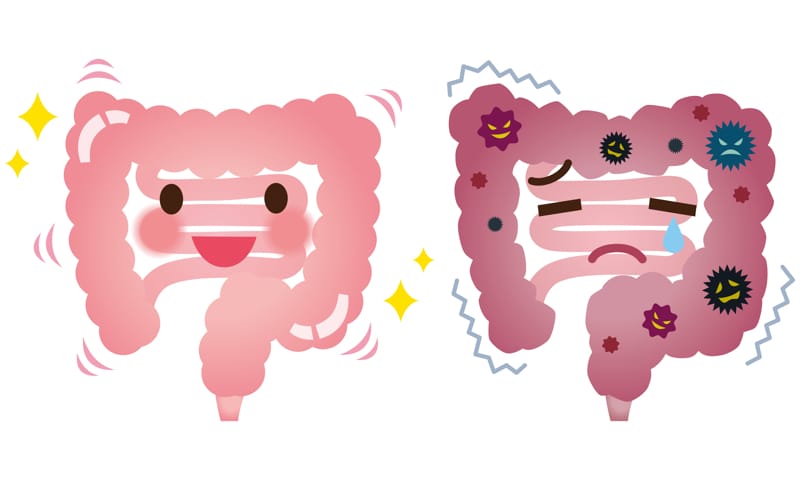
TL:DR - Many digestive issues start with insufficient stomach acid production. Every day stressors and some medical conditions are harming your ability to digest food completely and are at the root of many digestive symptoms. Using bitters to support healthy stomach acid production can be a simple way to get digestion back on track.
Quick overview of how we digest food
The entire purpose of the digestive system is to disassemble food into small enough components so we can absorb the nutrients into our blood stream to then use as building blocks and convert into energy.
Digestion is like a (dis)assembly line that has to happen with the right timing and sequence of events for everything to work properly. Any malfunction or skipped steps can lead to problems in the system.
Think gas, bloating, indigestion, nutrient malabsorption, acid reflux, and increased risk for GI infections.
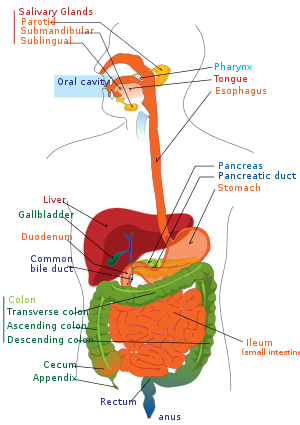
Imagine we are going on Disney's new water ride called The Wonderful World of Digestion:
Cephalic Phase: This is the part of the ride as you are waiting in line. There's no food being eaten, but maybe you can see the meal being prepared and smell the scents of freshly baked bread or the smells of your favorite home cooked meal. You begin to salivate and maybe even feel a little gurgle in your stomach.
This is your body preparing for the arrival food. This is an important stage of digestion as your body is shifting the nervous system into digestion mode: the central nervous system via the vagus nerve is activating the digestive tract and more saliva is being secreted in your mouth and stomach begins to produce stomach acid (hydrochloric acid).
The Oral Phase: Now you are in the vehicle and the ride is officially starting. This is when food enters the mouth. As you chew, you break down food mechanically and mix it with saliva so you can swallow it without choking. This chewed food moves from the esophagus, through a muscular ring called the esophageal sphincter into the stomach.
The Gastric Phase: The ride is starting to get real wild now! The stomach is an acidic environment where stomach acid is being released to break down proteins, kill bad bugs, release minerals and vitamins, and start signaling the next phases of digestion.
The Intestinal Phase: After being sloshed around and massaged into a semi-liquid chyme, the ride leaves the stomach into the small intestines. This is a less acidic environment and where digestive enzymes breakdown carbohydrates, fats, and proteins even more and nutrients are being absorbed into the blood stream.
The Colonic Phase: Finally, we are approaching the end of the ride and can see the light at the end of the tunnel! After nutrients are absorbed, water and electrolytes are absorbed and this is where much of the gut bacteria feed on undigested fiber and produce additional nutrients you otherwise would not be able to digest. And the rest leaves as stool! Hooray!
Look at how important each section of the GI tract is for absorbing the various vitamins, minerals, and nutrients.
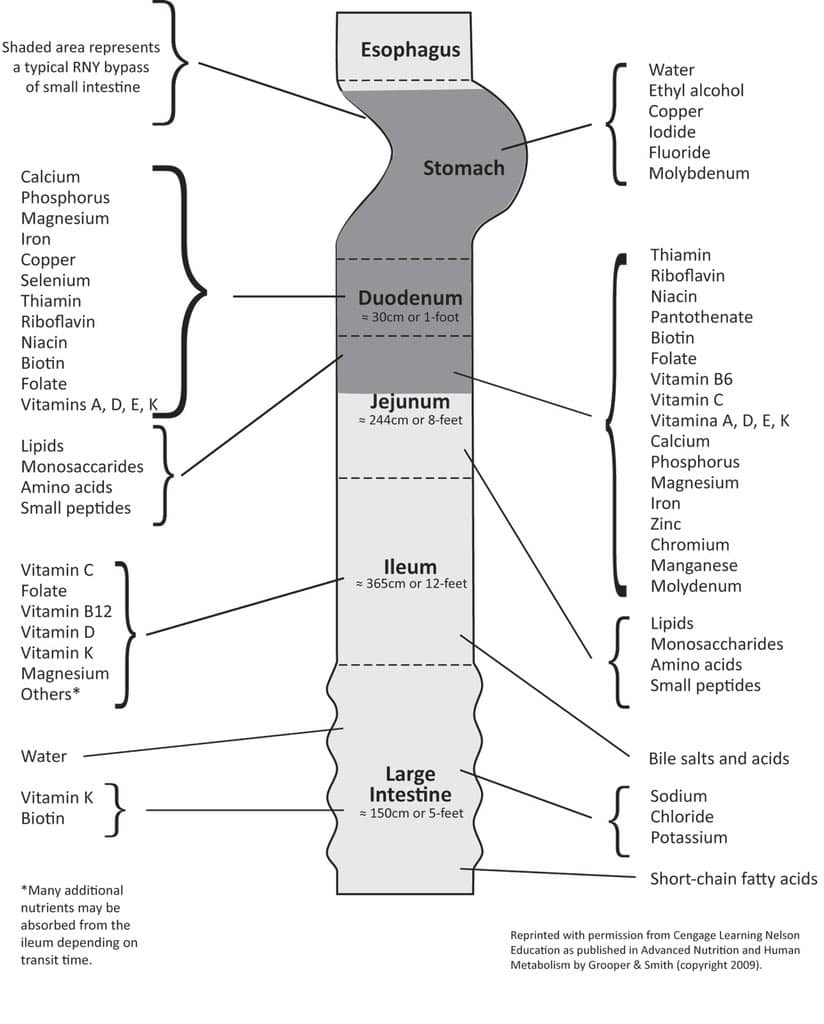
Gastric bypass surgery removes sections of the stomach and small intestines where many vitamins and minerals are absorbed.
Many conditions start with problems of insufficient stomach acid production
As you can see, digestion is a series of steps building on one another.
One of the most common challenges I see in practice is insufficient stomach acid production or hypochlorhydria.
Without stomach acid, food is harder or impossible to digest completely and the lack of an acidic environment allows pathogenic microbes to pass through freely into the rest of the digestive tract. Not only that, people can become nutrient deficient. For example, stomach acid (via intrinsic factor) is necessary to absorb the very essential nutrient Vitamin B12.
What are some of the common causes hypochlorhydria?
Stress because a body in "fight or flight" is not focused on digestion
Eating too fast and not chewing enough
Drinking too much water or fluid during meals
H. Pylori infections
Diseases like atrophic gastritis where the cells that make stomach acid get damaged
Too much alcohol or tobacco use
Chronic use of medications, specifically acid blockers like proton pump inhibitors (PPI's) like omeprazole aka Prilosec. (I have had patients on this for YEARS when it is meant for short term use only.)

Get your stomach acid suppressing PPI’s in bulk!
What are some of the signs and symptoms of hypochlorhydria?
Gas and bloating
Burping/belching
Muscle cramps
Soft or brittle nails
Coated tongue
Heaviness sensation after meals
Getting full easily
Bad breath (halitosis)
Diffuse hair loss, especially in females
There are also many conditions that are associated with hypochlorhydria:
Heartburn/GERD (Yes, low stomach acid can cause heartburn!)
Hiatal hernias
Allergies
Bacterial overgrowth in the stomach/small intestines
Pernicious anemia
Chronic atrophic gastritis
H. Pylori gastritis
Gastric cancer
Acne, eczema, urticaria (hives), vitiligo, rosacea
Ulcerative coliitis
Chronic hepatitis
Childhood asthma
Depression
Gall stones
Rheumatoid arthritis
Lupus
Grave's disease
Hashimoto's thyroiditis
Osteoporosis
Type 1 diabetes
Adrenal maladaptation syndromes (think burnout)
Maybe Hippocrates was on to something when he said, "All disease begins in the gut."
The way to think about it is that our digestive tract is an important interface between us and the outside world.
The ability to digest food completely means that we absorb nutrients and keep bad microbes, microbial endotoxins, and immune-triggering undigested protein out of our blood streams.
The powerful effects of bitters

The bitter taste sensation is a very effective way to stimulate the Vagus Nerve (aka Cranial Nerve X) via the Glossopharyngeal Nerve (Cranial Nerve IX).
The Vagus Nerve is the major nerve of the digestive tract and parasympathetic (rest and digest) activity. It's like stepping on the brakes to slow down sympathetic (fight or flight) activity and start the process of secreting stomach acid by shifting the nervous system to parasympathetic (rest and digest) so you can digest better.
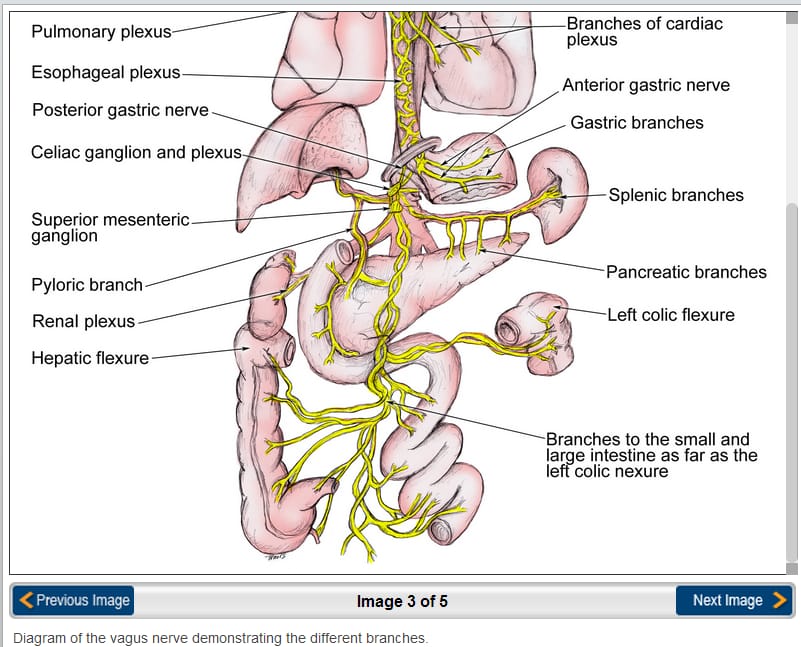
Branches of the Vagus Nerve communicating with organs of the digestive tract
Stimulating the Vagus Nerve with bitters is a helpful strategy if you live a stressful life or need a little support to make stomach acid.
An alternative is to supplement hydrochloric acid via capsules, but I prefer to start with supporting the body to do it on its own.
DISLCAIMER: Using bitters and taking stomach acid supplements can make certain conditions worse like active ulcers, severe acid reflux/GERD, gastritis, or biliary obstruction. So reach out to me or talk to your doctor before using bitters.
Here some common and not so common bitters that I recommend from mild to very bitter:
Common household items you likely already have:

Lemon or lime - as freshly squeezed juice or in cooking
Apple cider vinegar - a teaspoon in a equal parts water or in cooking or as a base for dressings
How to use them: For the purposes of increasing stomach acid and promoting digestion, a teaspoon can be taken on their own 10-15 minutes before meals. You can add it to a little bit of water to cut back on the acidity. You want to make sure to taste the bitter and sour sensation.
Lemon juice and apple cider vinegar are ones I most commonly recommend because they are easily accessible and can be taken directly.
Botanicals:
Achillea millefolium (yarrow)
Taraxacum officinale (dandelion)
Matricaria recutita (chamomile)
Mahonia spp (Oregon grape)
Gentiana lutea (gentian)
How to use: I recommend these usually in the form of a tincture, which is an alcohol extract. It's as simple as taking a dropperful by mouth.

This is my go-to Bitter Tonic with gentian and ginger.
Everyone responds differently to some bitters, so you can try one or more of the above to see which gets your digestive juices flowing the most.
You will know if the bitters are working when you start salivating and you may feel a gurgling sensation in your stomach. You may also feel your appetite increase.
Part of my clinical detective work is helping people identify signs and symptoms of hypochlorhydria and looking for underlying causes that may be causing it.
After a period of therapeutic use and addressing the underlying issues, most people do fine using food as bitters and don’t need to use digestive bitters on a daily basis.
Using bitters and supporting stomach acid production is a simple yet powerful way to solve a lot of chronic digestive issues.
In a future issue, I’ll also share what I have been learning about the gut as a circadian organ.
P.S. Do you feel like your digestion isn’t working the way it used to?
Schedule a "pick my brain" session or book a complete GIMAP Comprehensive Evaluation here https://l.bttr.to/Ce2hj or reach out via email.
P.P.S. You can also shop for bitters from companies I trust and get 10% off on my online dispensary: https://us.fullscript.com/welcome/draronchoi
